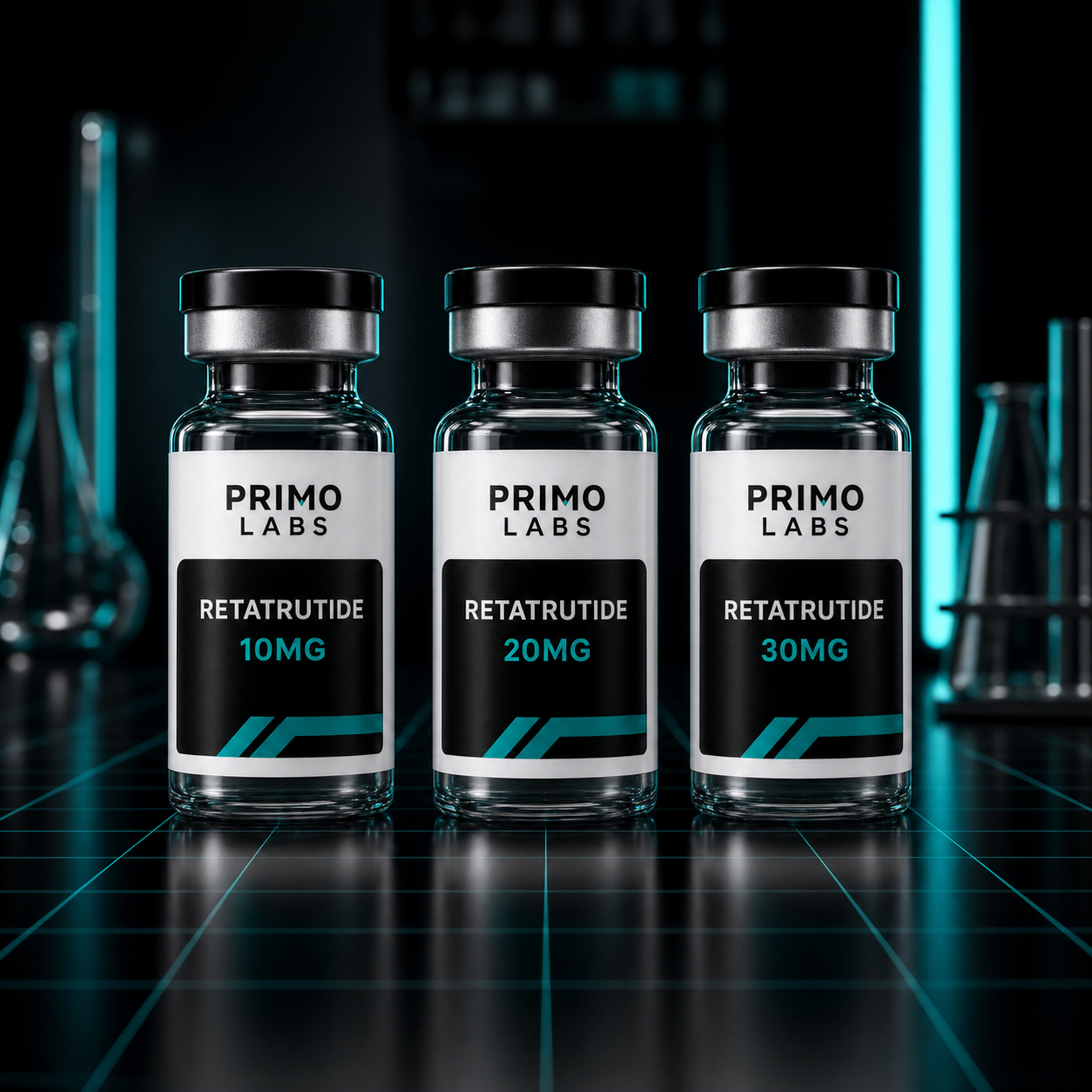
Retatrutide
A triple-action peptide studied for how it works with the GLP-1, GIP, and glucagon pathways.
Learn moreProduct catalog
We know this can be a lot to sort through. Here is a simple look at what we carry and what each product is commonly researched for. Take your time, and reach out if you have questions.
Available Catalog
The sizes below are just how we label and stock each item. They're not dosing suggestions.
A triple-action peptide studied for how it works with the GLP-1, GIP, and glucagon pathways.
Learn more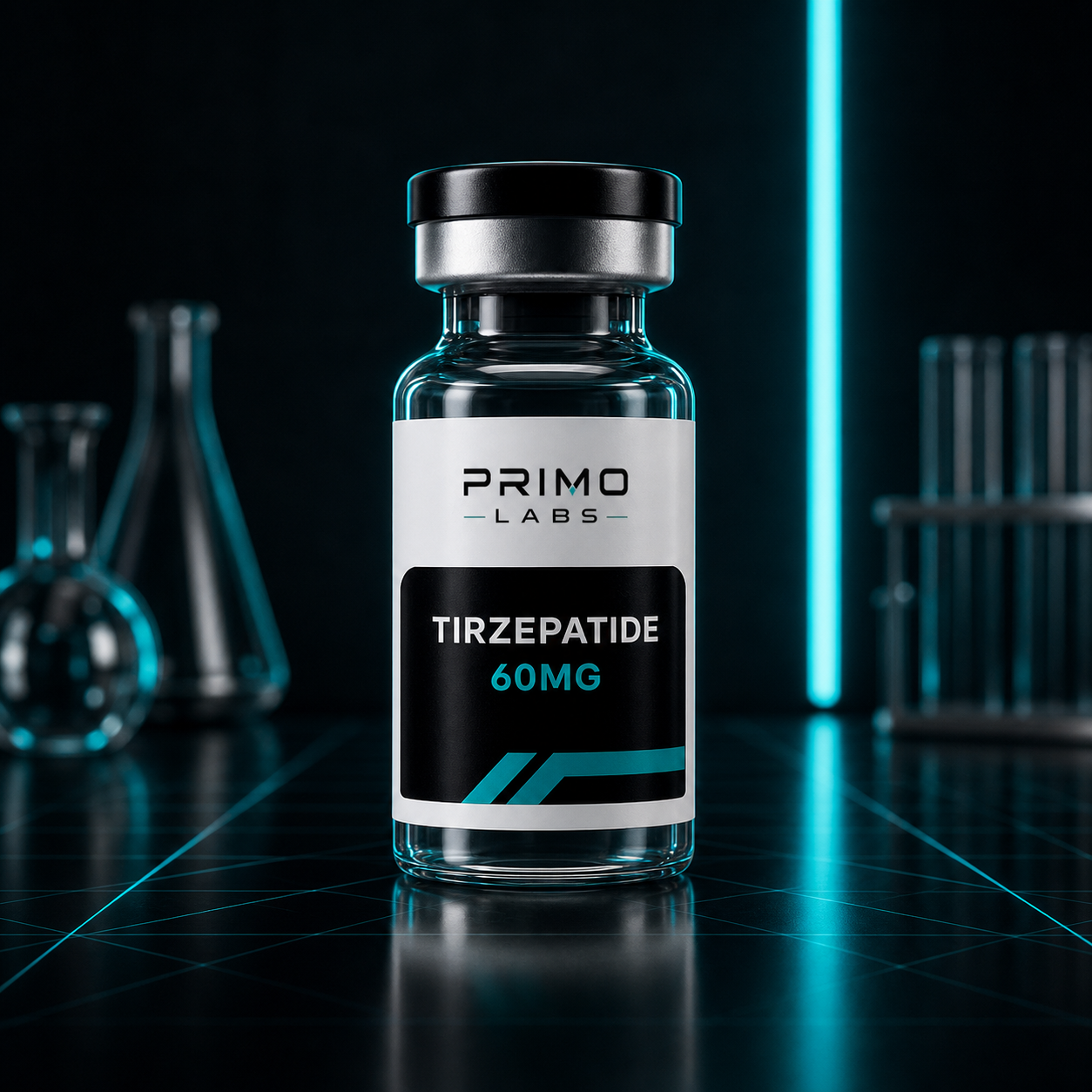
A dual-action peptide that works with both the GIP and GLP-1 pathways — a big topic in metabolic research.
Learn more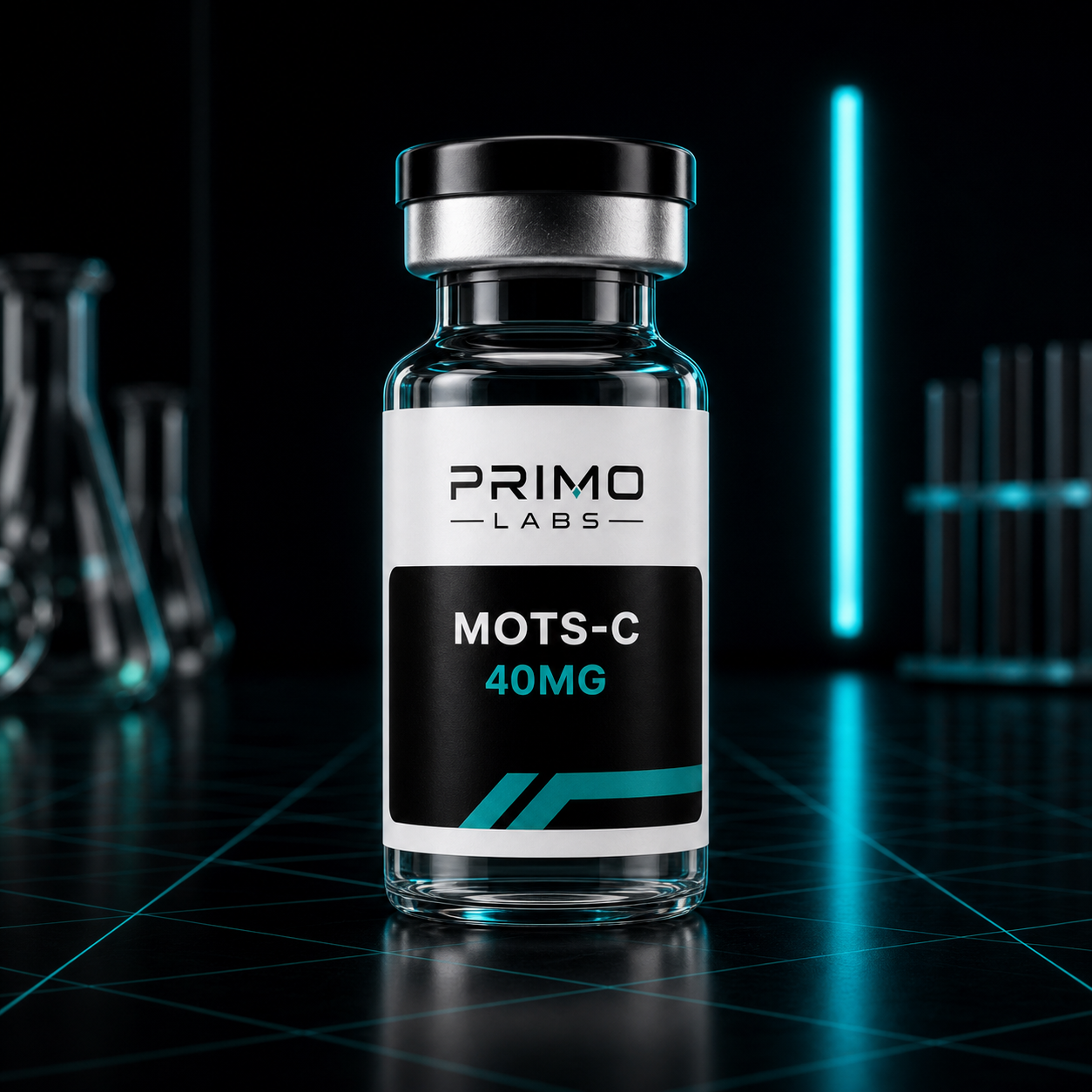
A peptide made by the mitochondria, looked at for its links to metabolism, insulin sensitivity, and exercise.
Learn more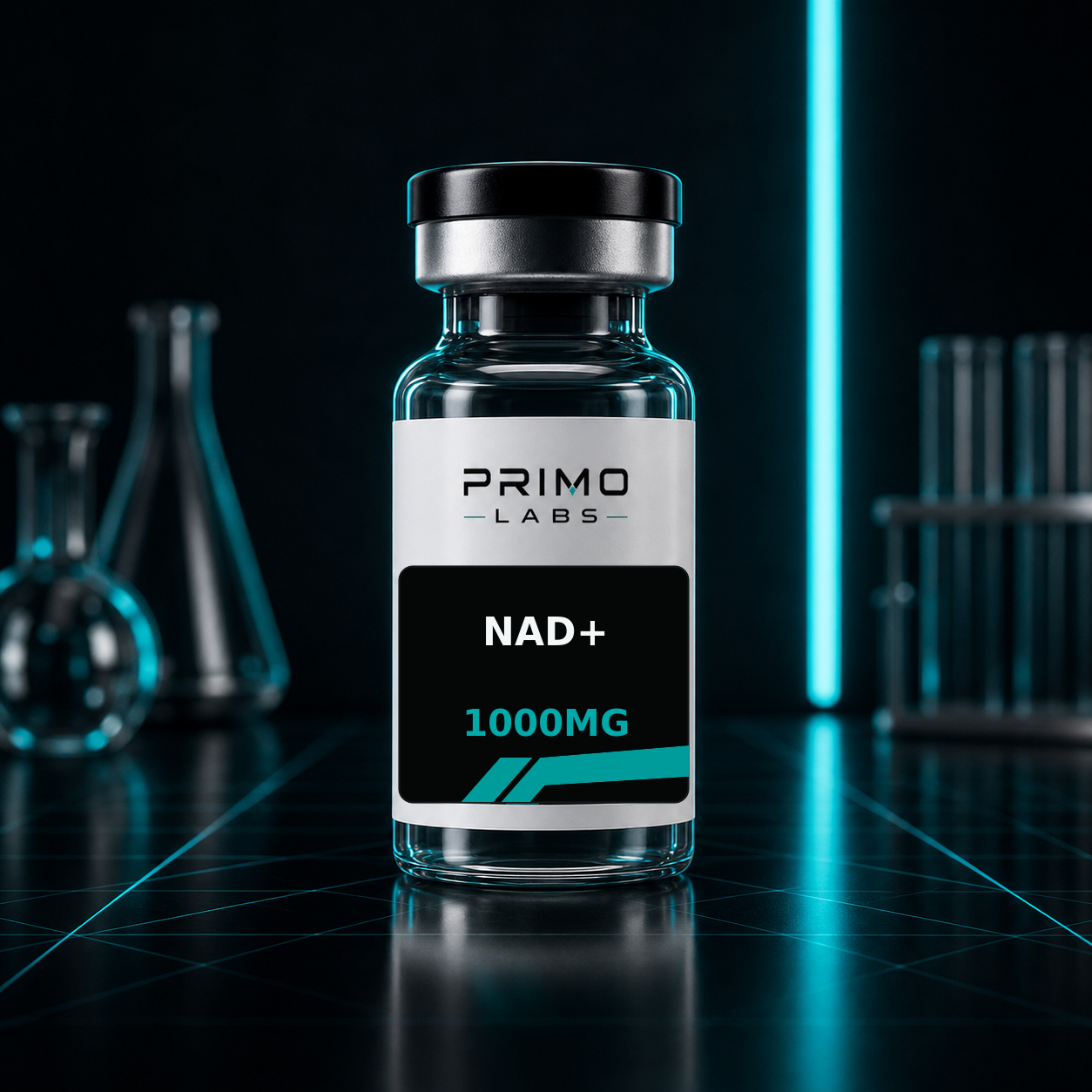
A cellular coenzyme studied for its role in energy metabolism, redox balance, and DNA-repair signaling.
Learn more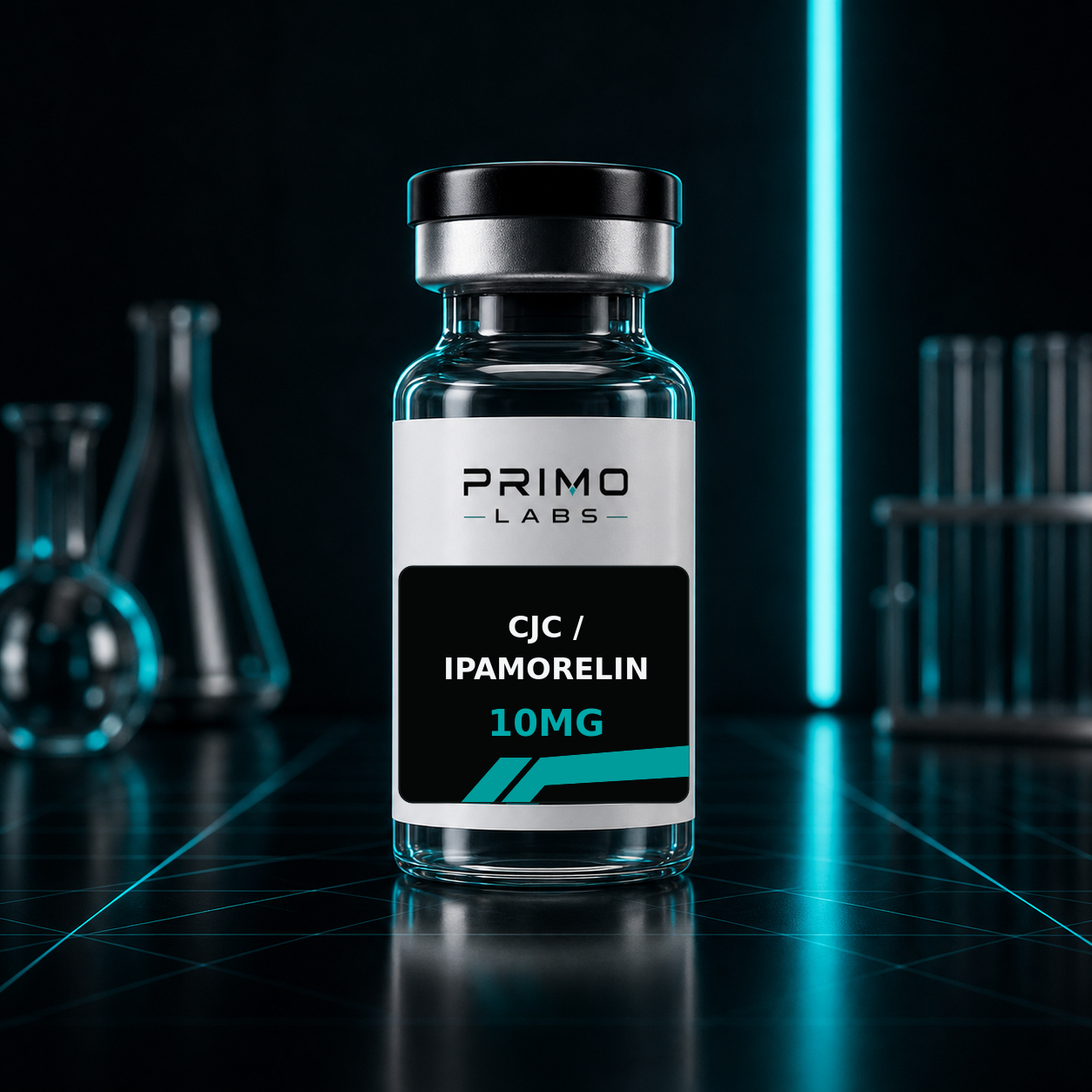
A paired research blend studied for complementary signaling within the growth-hormone release pathway.
Learn more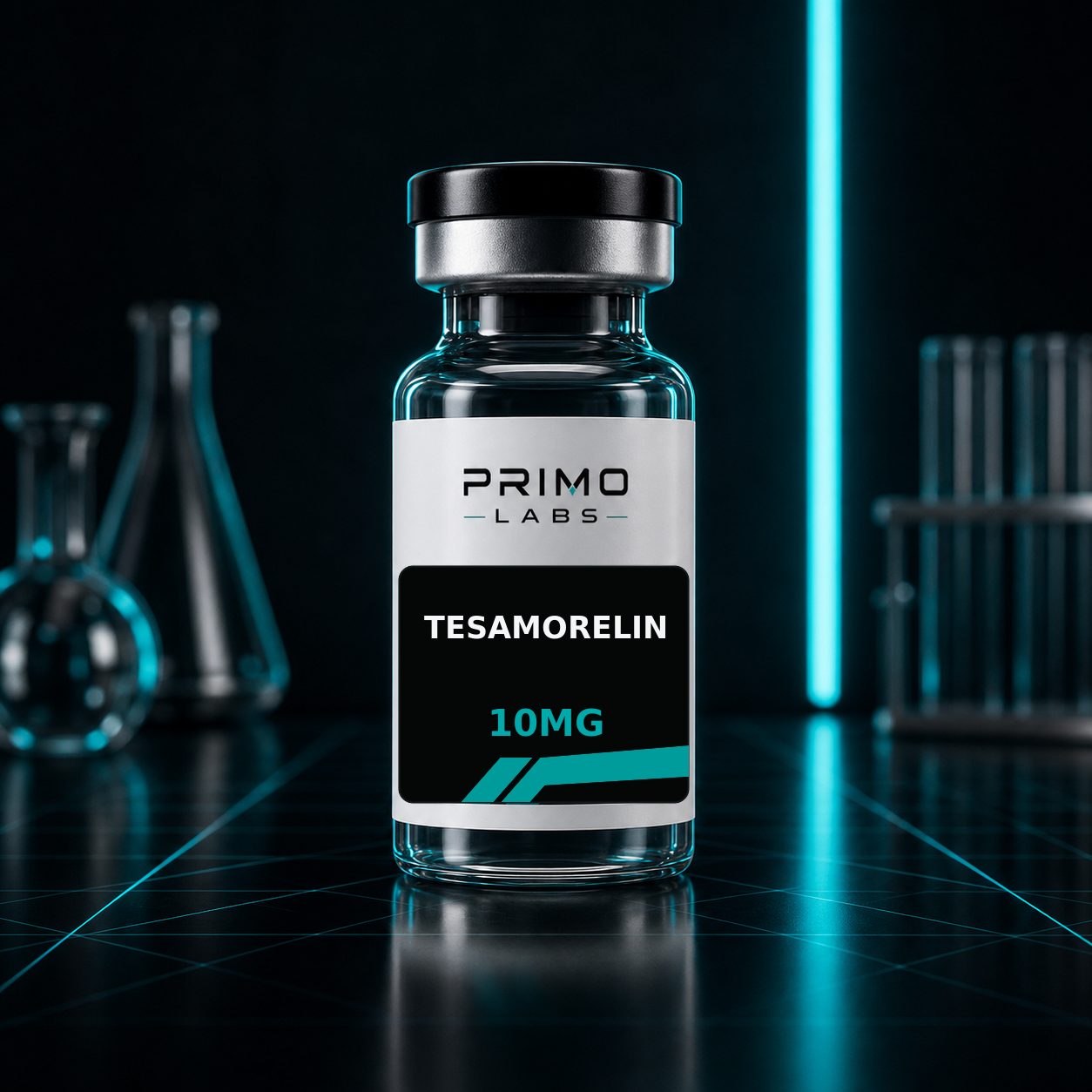
A growth-hormone-releasing factor analog studied in endocrine and body-composition research.
Learn more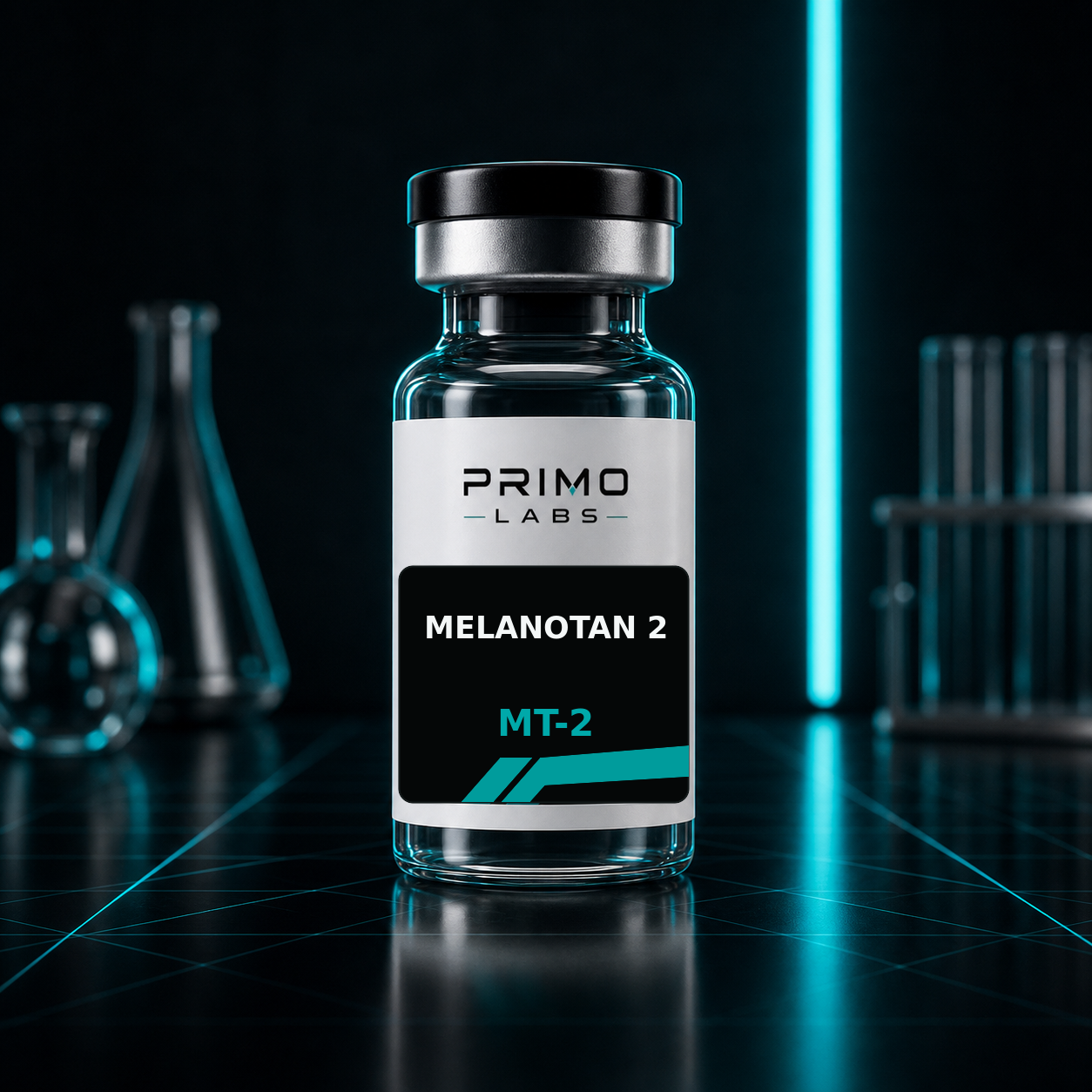
A synthetic melanocortin analog studied for pigmentation signaling and other melanocortin responses.
Learn more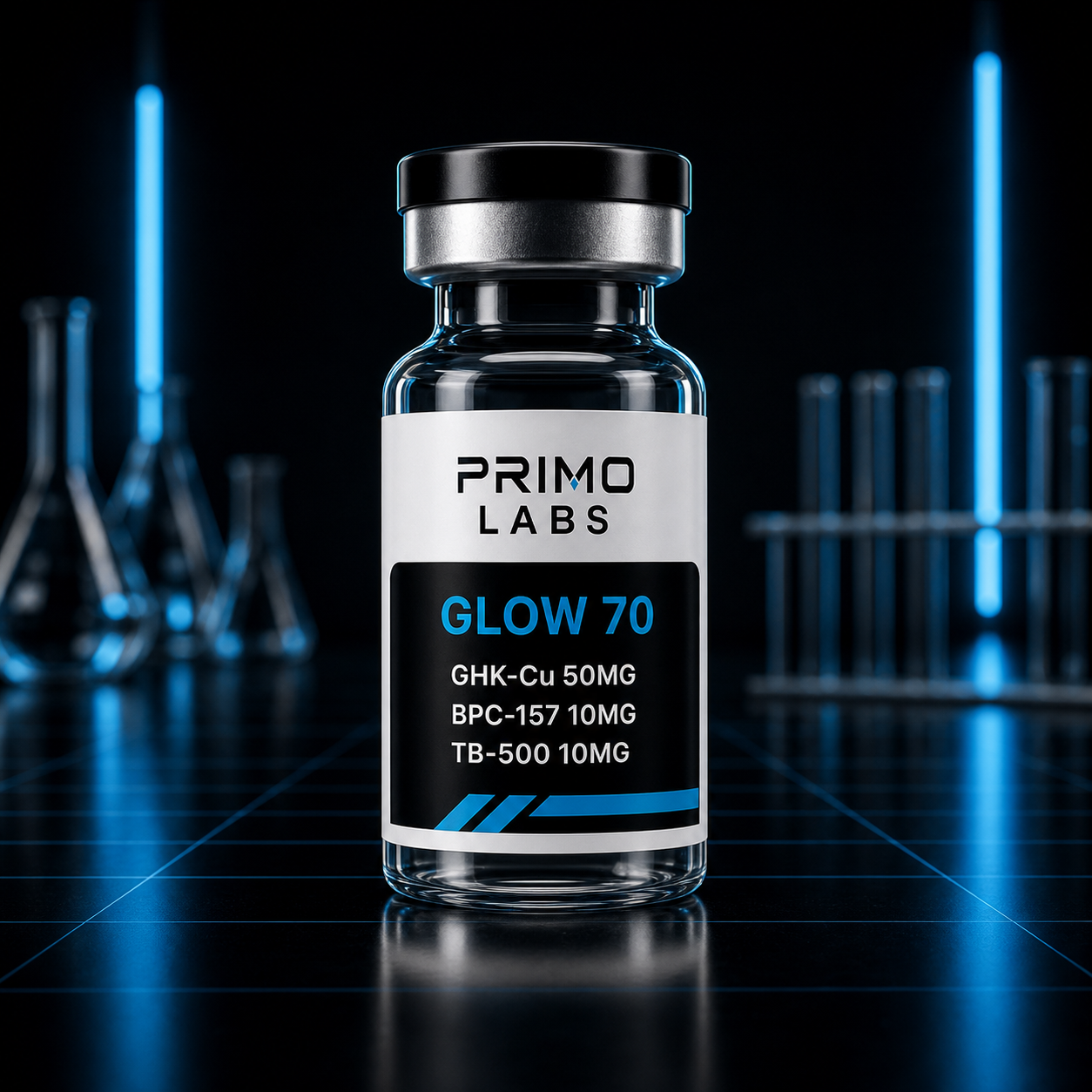
A 70mg research peptide blend that combines three peptides: GHK-Cu, BPC-157, and TB-500.
Learn more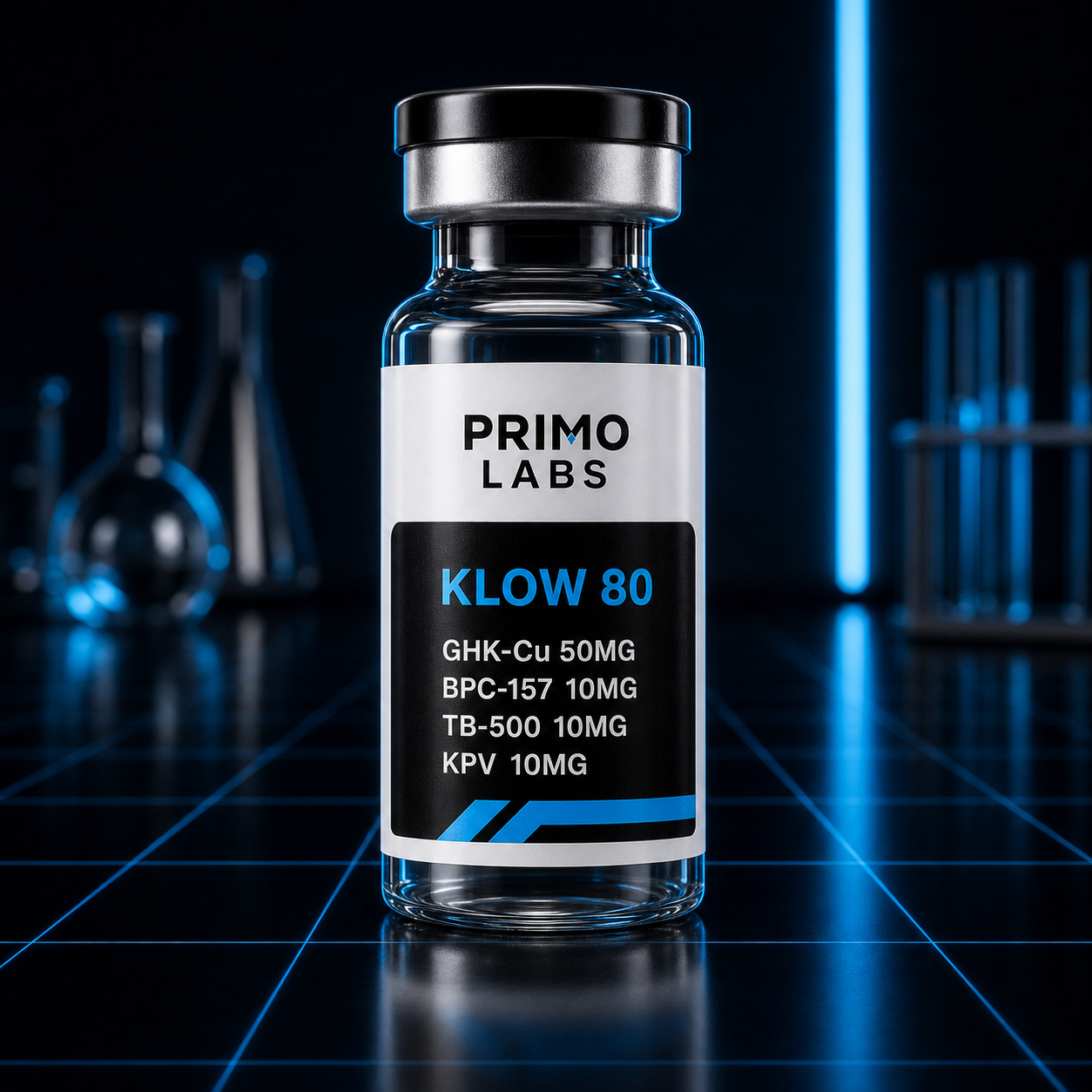
An 80mg research peptide blend that combines four peptides: GHK-Cu, BPC-157, TB-500, and KPV.
Learn moreRetatrutide series
Retatrutide is one of the newer compounds getting a lot of attention in the peptide and metabolic-health space because of how many pathways it targets at once. Unlike older compounds that mainly focus on a single receptor, Retatrutide works across GLP-1, GIP, and glucagon receptors simultaneously. Researchers are interested in this because those pathways are heavily connected to appetite signaling, glucose regulation, fat metabolism, and overall energy balance.
A big reason people are paying attention to Retatrutide is the potential impact it may have on body composition and metabolic efficiency. In research settings, it's often discussed around appetite reduction, calorie intake, insulin response, and how the body utilizes stored energy. The glucagon component especially stands out because it may play a role in energy expenditure and fat metabolism, which separates it from some earlier-generation compounds.
A lot of the excitement around Retatrutide comes from ongoing obesity and metabolic-health studies, but it's important to understand that research is still evolving. Long-term effects, sustainability, and broader metabolic outcomes are still being studied. Right now, most conversations around Retatrutide revolve around its potential to push metabolic research further than traditional GLP-1-focused approaches.
Dual incretin category
Tirzepatide became popular very quickly because it introduced a dual-pathway approach that combines both GIP and GLP-1 receptor activity. Those pathways are tied closely to blood sugar regulation, appetite signaling, satiety, and insulin response. Because of that, Tirzepatide is now one of the most talked-about compounds in metabolic-health and body-composition discussions.
Most of the interest around Tirzepatide comes from how it may influence hunger levels and eating behavior while also supporting glucose regulation. Researchers have explored how it affects satiety, meal response, insulin sensitivity, and overall metabolic function. It's also become a major topic in conversations around obesity research and long-term metabolic management.
One thing that makes Tirzepatide interesting is that many people view it as a bridge between traditional diabetes-focused therapies and newer body-composition research. The dual-receptor approach is what really separates it from older single-pathway compounds. At the same time, there's still ongoing research around long-term adaptation, sustainability, muscle preservation, and overall metabolic health over extended periods.
Mitochondrial peptide category
MOTS-c is one of the more interesting peptides in the longevity and performance space because it's connected directly to the mitochondria, which are basically the energy centers of the cell. Researchers are studying MOTS-c to better understand how it may influence metabolism, insulin sensitivity, cellular energy production, and exercise adaptation.
A lot of the attention around MOTS-c comes from its connection to metabolic flexibility and how the body handles energy. Researchers have explored whether it may play a role in glucose utilization, endurance pathways, and cellular stress responses. Because of that, it's become a major topic in discussions around longevity, healthy aging, and performance science.
Another reason MOTS-c stands out is that it's often discussed as a peptide tied more to optimization and resilience rather than just recovery alone. There's interest around how it may influence mitochondrial efficiency, physical performance, and overall metabolic health under stress conditions.
That said, human research is still fairly limited compared to some of the more established metabolic compounds. Most of the current excitement comes from preclinical and early-stage research, so there's still a lot being learned about long-term effects, safety, and how it may fit into broader metabolic and longevity research moving forward.
Cellular energy category
NAD+ is a coenzyme found in every living cell, and it plays a central role in how cells turn nutrients into usable energy. Researchers are interested in NAD+ because it also supports enzymes connected to DNA repair, cellular stress responses, redox balance, and communication between the nucleus and mitochondria.
A lot of the conversation around NAD+ focuses on cellular energy and mitochondrial efficiency. Because NAD+ moves between oxidized and reduced states, it helps support the chemical reactions cells use to process fuel. That makes it a major topic in metabolism, fatigue, performance, and healthy-aging research.
NAD+ is also used by enzymes involved in DNA repair and stress signaling, including sirtuins and PARPs. Researchers study those pathways to better understand how cells respond to damage, inflammation, oxidative stress, and age-related changes in cellular function.
Interest in NAD+ has grown quickly, but the way different delivery methods affect tissues and long-term outcomes is still being studied. Most discussions center on restoring or supporting cellular NAD+ availability while researchers continue to define where the strongest benefits and limitations may be.
Growth-hormone research blend
CJC/Ipamorelin combines two research peptides that approach growth-hormone signaling from different directions. CJC compounds are studied for acting like growth-hormone-releasing hormone, while Ipamorelin is studied for activating the ghrelin receptor and encouraging a growth-hormone pulse.
The main reason researchers pair these compounds is the idea that they may complement each other within the same signaling pathway. CJC is generally discussed around extending growth-hormone-releasing signals, while Ipamorelin is discussed around creating a more selective pulse with less activity at some other endocrine receptors.
Because growth hormone and IGF-1 are connected to tissue turnover, recovery, sleep, and body composition, the blend often appears in research conversations around repair and performance. Researchers also look at pulse timing and how combined signaling may differ from studying either compound alone.
Growth-hormone pathways affect many systems at once, so more activity is not automatically better. Long-term endocrine effects, individual response, and the differences between CJC variants remain important parts of the research conversation.
Growth-hormone-releasing factor category
Tesamorelin is a stabilized analog of growth-hormone-releasing hormone, which means it is designed to work through the body's own pituitary signaling pathway. Researchers study it for how it influences growth-hormone pulses, downstream IGF-1 activity, and changes connected to fat distribution and metabolism.
A lot of the attention around Tesamorelin comes from research on visceral fat, the deeper abdominal fat surrounding internal organs. That makes it different from compounds discussed only around scale weight, because much of the interest focuses on fat distribution, lipid markers, and broader metabolic changes.
Tesamorelin is also studied as a way to activate the growth-hormone axis upstream rather than supplying growth hormone directly. Researchers look at how that affects natural pulse patterns, IGF-1 response, and the relationship between pituitary signaling and body-composition outcomes.
Because it changes an endocrine pathway, ongoing research pays close attention to glucose regulation, IGF-1 levels, fluid balance, and how effects change after treatment stops. Those questions are important when evaluating longer-term metabolic and hormone-related outcomes.
Melanocortin research category
Melanotan 2 is a synthetic peptide related to alpha-melanocyte-stimulating hormone. It interacts with several melanocortin receptors, which is why researchers discuss it around pigmentation signaling as well as appetite, sexual-response, and other nervous-system pathways.
Most of the attention around MT-2 comes from its connection to melanin production. By activating melanocortin receptors involved in pigmentation, it has become a common research topic in discussions about tanning response and how pigment-producing cells react to hormonal signals.
MT-2 is not highly selective for only one receptor, so researchers also study effects outside pigmentation. That broader activity is why appetite changes, nausea, flushing, and sexual-response pathways often come up when discussing how the compound behaves.
The wider receptor activity is also one of the biggest research limitations. Questions remain around dose response, individual variation, mole and freckle changes, and long-term safety, so research conversations usually emphasize both the visible pigmentation response and the less predictable systemic effects.
Restorative blend category
GLOW 70 is usually talked about as a recovery and regenerative peptide blend made up of GHK-Cu, BPC-157, and TB-500. Each peptide brings something different to the table, which is why the blend has become popular in wellness, recovery, and skin-focused research communities.
The largest portion of the blend is GHK-Cu, a copper peptide that has been studied heavily around collagen production, skin quality, elasticity, and cellular repair pathways. A lot of people associate it with skin rejuvenation and overall "glow" research because of its connection to tissue remodeling and cosmetic recovery discussions.
BPC-157 is commonly researched around tissue-repair and inflammation pathways. In research settings, it's often associated with muscle recovery, tendon support, gut-health discussions, and overall recovery models following physical stress or injury.
TB-500 is usually discussed around cell migration and soft-tissue recovery research. Researchers have explored it in models tied to recovery, flexibility, inflammation response, and tissue regeneration. Because of that, it's often grouped into broader recovery and performance conversations.
Together, the blend is commonly positioned as a "Glow Stack" because it combines skin, recovery, and regenerative research themes into one formula. A lot of the interest comes from the idea of supporting recovery from the inside out, whether that's tied to skin quality, recovery after physical stress, or general wellness and longevity discussions.
Expanded restorative blend category
KLOW 80 builds on the GLOW blend by combining GHK-Cu, BPC-157, and TB-500 with KPV, a small peptide connected to alpha-melanocyte-stimulating hormone. The added KPV component is why KLOW is usually discussed around repair and recovery with an extra focus on inflammatory signaling, gut models, and skin research.
GHK-Cu makes up the largest part of the blend and is commonly studied around collagen, tissue remodeling, skin quality, and cellular repair. BPC-157 and TB-500 add research themes tied to connective tissue, cell migration, inflammation response, and recovery following physical stress.
KPV is what separates KLOW from the original GLOW formula. Researchers study KPV for how it may influence pro-inflammatory signaling, especially in models connected to the gut and skin. That makes the blend a topic in conversations around barrier integrity, irritation, and chronic inflammatory pathways.
By combining all four peptides, KLOW brings several different repair and resilience pathways into one research formula. Most of the interest centers on the possibility of studying skin, connective tissue, gut, and recovery themes together rather than treating each pathway as a separate category.
As with other multi-peptide blends, research on the complete combination is more limited than research on some of the individual ingredients. How the compounds interact, which component drives a response, and what longer-term effects may look like are still open questions.
Primo Labs doesn't give medical advice, diagnoses, or treatment. Everything here is for education only. The sizes listed aren't dosing recommendations. These are research chemicals and aren't meant for human use.
Contact
Want to check availability or just have a question? Drop us a note below and we'll get back to you.